
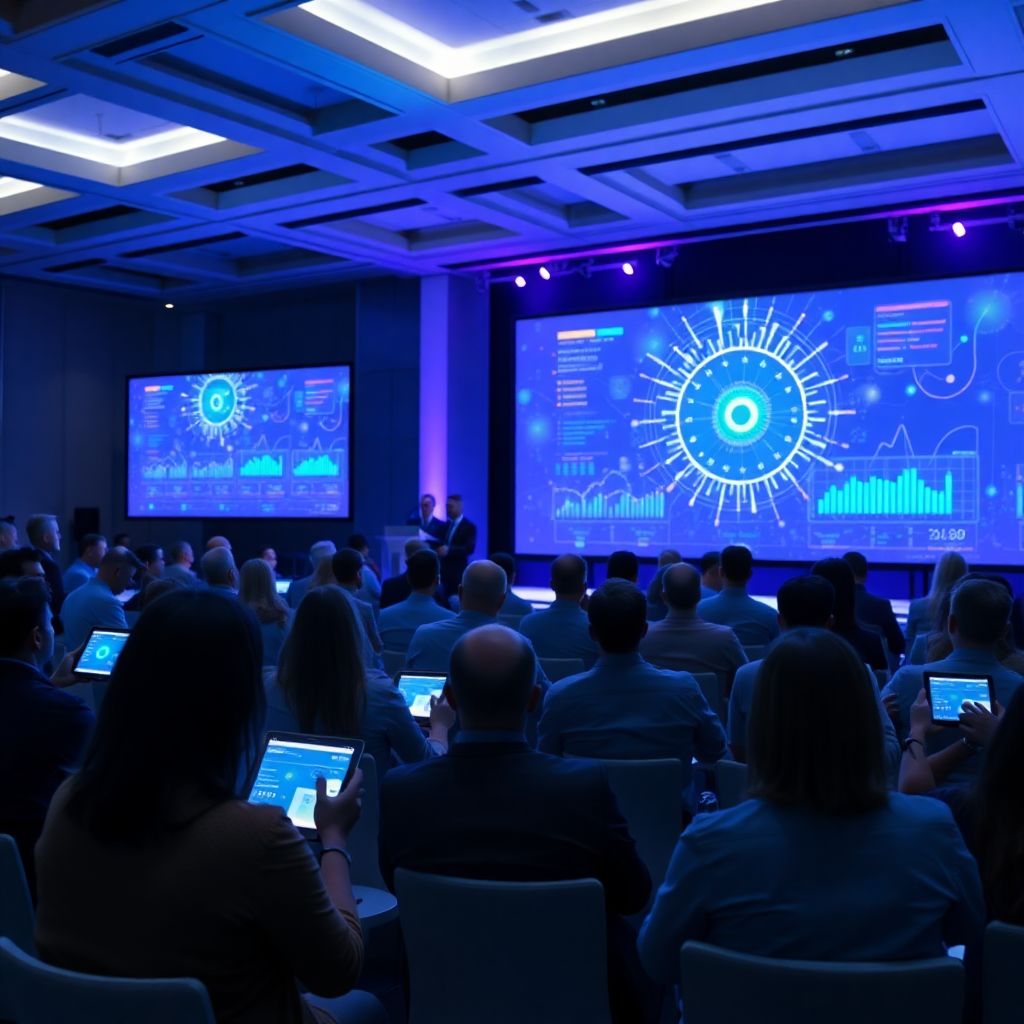
The event industry has always been about creating memorable human connections, but the tools we use to build those moments are changing fast. Artificial intelligence and emerging technologies are no longer futuristic novelties reserved for tech conferences. They are active, practical assets that forward-thinking event managers are deploying right now to save time, reduce costs, and deliver sharper attendee experiences.
Here's what's reshaping the landscape, and what you need to know to stay ahead.
AI Is Doing the Heavy Lifting Behind the Scenes
The most immediate impact of AI isn't on the event floor, it's in the planning phase. AI-powered platforms are now capable of handling venue sourcing, vendor comparisons, budget forecasting, and even draft contract reviews in a fraction of the time it once took. Tools like ChatGPT, Jasper, and purpose-built event platforms are helping planners generate run-of-show documents, speaker briefings, and attendee communications at speed.
For event managers juggling multiple programs, this shift is significant. Repetitive, time-intensive tasks are being automated, freeing up bandwidth for the strategic and creative work that actually requires a human touch.
Personalization at Scale
One of the most powerful shifts AI enables is true personalization, without a massive team to deliver it. Attendees increasingly expect experiences tailored to their interests, roles, and goals. AI-driven event apps can now recommend sessions, networking matches, and content based on registration data and real-time behaviour.
This isn't just a nice-to-have. Studies consistently show that personalized experiences drive higher satisfaction scores, longer dwell times, and stronger post-event engagement. If your events aren't yet leveraging personalization tools, your competitors' events likely are.
Smarter Engagement Through Live Technology
On-site technology has also taken a leap forward. AI-powered sentiment analysis tools can gauge audience mood in real time through facial recognition or live polling responses, giving event managers the ability to adapt programming on the fly. Chatbots are handling attendee queries around the clock, reducing pressure on registration desks and support staff.
Meanwhile, hybrid event technology has matured considerably. Platforms now offer seamless integration between in-person and virtual attendees, with features like AI-generated live captions, real-time translation, and virtual networking rooms that actually work.
Data: The Asset You May Not Be Using
Every event generates enormous amounts of data, registration patterns, session attendance, app engagement, networking activity. The question is: are you capturing it, and are you acting on it?
AI analytics platforms can now surface insights that would take a human analyst days to compile, identifying which sessions drove the most value, which speakers had the highest re-attendance rates, and where attendees dropped off. This intelligence isn't just useful for reporting to stakeholders, it's the foundation of a smarter event strategy next time around.
What This Means for Event Managers
The role of the event manager is not being replaced by technology, it's being elevated. As AI handles more of the operational load, the human skills of relationship-building, creative vision, and on-the-ground problem-solving become even more valuable.
The event managers who will thrive in this environment are those who embrace these tools strategically, not chasing every trend, but selectively adopting technology that genuinely serves their audiences and their business goals.
The smartest event of 2025 isn't necessarily the most technologically complex. It's the one where technology disappears into the background, and the experience feels effortless.
Stay connected for more insights, tools, and trends for modern event professionals.