
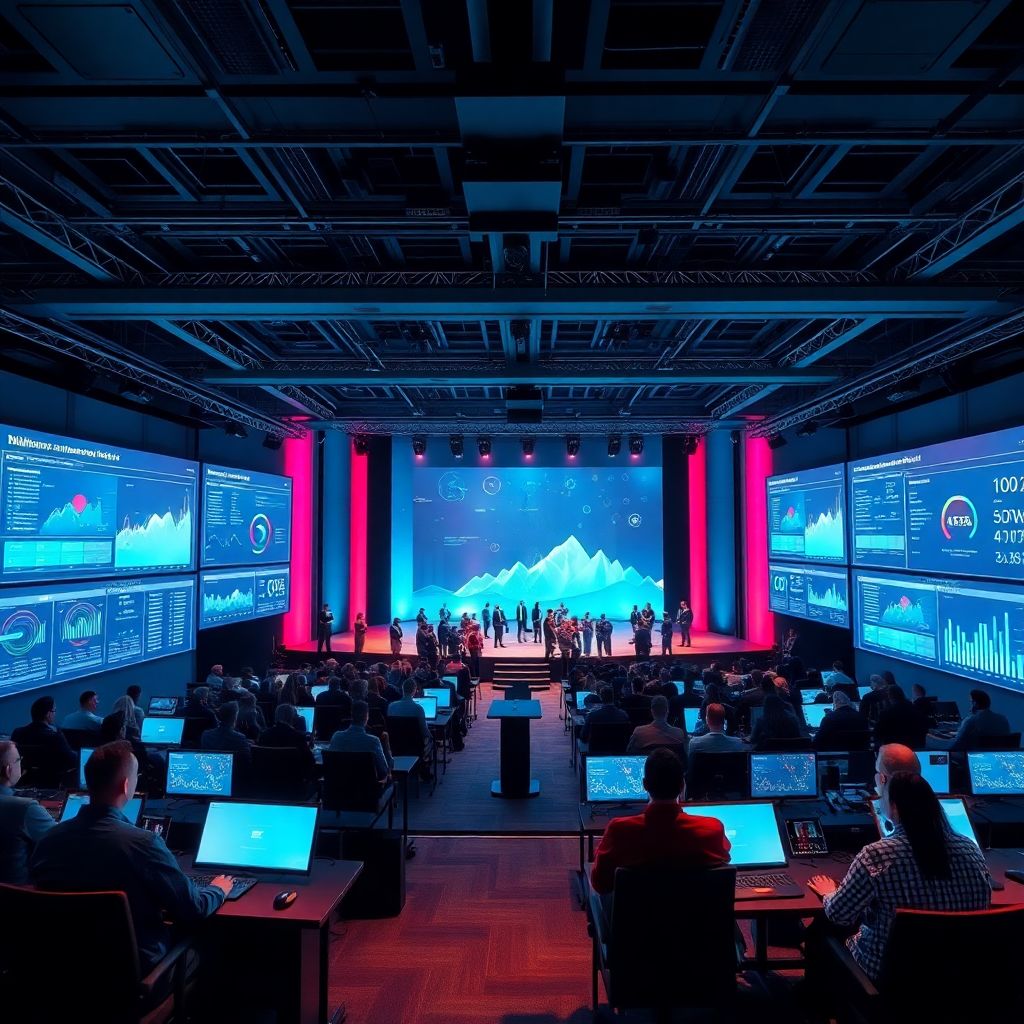
The events industry has entered a new phase of maturity. After years of experimentation and rapid expansion, 2026 is defined by a more disciplined, results-driven approach, and technology is at the center of it all. For event professionals, the question is no longer whether to adopt AI and emerging tools, but how to deploy them with purpose and precision.
AI Has Become Operational Infrastructure
Across the industry, AI has graduated from an experimental novelty to a genuine operational backbone. The vast majority of event organizers are either actively using or planning to expand their use of AI this year, embedding it into everyday workflows covering marketing, communications, agenda design, and post-event analytics.
The most effective teams are treating AI not as a sweeping transformation, but as a practical resource for specific, well-defined tasks, automating repetitive work, surfacing data insights faster, and enabling more relevant attendee experiences. This frees planners to focus on what technology cannot replicate: human connection and creative problem-solving.
Personalization at Scale
Attendees today expect relevance. They are no longer willing to sit through bloated agendas or generic programming. Smart event platforms now analyze attendee behavior in real time, powering personalized session recommendations, curated networking suggestions, and tailored communications, all delivered through intuitive in-app experiences.
This shift toward hyper-personalization is raising the bar for experiential design across the board. The planners who succeed will be those who use data intelligently to make every attendee feel that the event was built specifically for them.
Analytics and Real-Time Decision Making
Data has become one of the most valuable assets in event management. Modern analytics platforms offer far deeper visibility into attendee behavior, space utilization, and overall event performance than ever before. Real-time dashboards allow teams to monitor engagement and operational metrics as events unfold, while predictive tools help anticipate logistical challenges before they become problems.
This move toward evidence-based event management is also reshaping how success is measured and reported. Demonstrating pipeline influence, customer retention, and tangible ROI is increasingly a baseline expectation rather than a bonus deliverable.
Trust, Privacy, and Responsible Adoption
With greater reliance on AI and data-driven tools comes greater responsibility. As event professionals collect more attendee information than ever before, ensuring transparent data practices, clear opt-ins, and robust privacy policies is both an ethical obligation and a competitive differentiator. Attendees notice, and remember, how their data is handled.
Building trust into your technology strategy from the outset is no longer optional. It is foundational to long-term credibility and attendee loyalty.
Looking Ahead
The technology landscape in 2026 rewards those who are intentional. The most impactful event professionals are not necessarily those with the largest tech budgets, they are those who select the right tools, deploy them thoughtfully, and never lose sight of the fundamental purpose of events: bringing people together in meaningful ways.
As you evaluate your technology strategy for the months ahead, consider not just what a tool can do, but what problem it solves, and whether it helps you deliver the kind of experience your attendees will remember long after they leave the room.