
On the Treasure Coast, water is the defining variable of every commercial site. Between intense summer downpours, a high water table, sandy and sometimes poorly draining soils, and the ever-present threat of tropical systems, stormwater is not an afterthought here—it is a make-or-break factor in whether a site stays compliant, functional, and protected for decades. For commercial property owners and developers across Indian River, St. Lucie, Martin, and Brevard counties, getting stormwater management right from the start saves money, prevents flooding, and keeps projects on schedule.
Understand the Regulatory Landscape Before You Break Ground
Stormwater on Florida sites is governed by a layered set of rules, and overlooking any one of them can stall a project for months. Most commercial developments fall under the Environmental Resource Permit (ERP) program administered through the relevant water management district—on the Treasure Coast, that is typically the South Florida Water Management District, with St. Johns River Water Management District covering parts of Brevard. On top of district rules, you will encounter county and municipal stormwater ordinances, and many sites require coverage under the state’s construction stormwater permit for erosion and sediment control during the active build.
The practical takeaway is that permitting drives the engineering, and the engineering drives the dirt work. Coordinating early with your civil engineer and your site contractor means the permitted plan is actually buildable given the real soils, grades, and utility conflicts on the ground. We work directly from the approved drainage design so that what gets built matches what was permitted—avoiding costly redesigns and re-inspections later.
Design for Florida’s Water Table and Soils
A stormwater system that works in clay-heavy soil elsewhere in the country can fail in our region’s sandy, high-water-table conditions. Effective Treasure Coast stormwater design accounts for how quickly—or slowly—water actually moves through local soils and how little vertical separation often exists between the surface and groundwater. Several site features do the heavy lifting:
- Retention and detention ponds sized to hold and slowly release the design storm volume, with stable, properly graded side slopes.
- Dry retention areas and swales that let runoff percolate into the ground where soils allow, reducing the load on piped systems.
- Underground storage and exfiltration trenches for tight sites where surface ponds aren’t feasible.
- Inlets, catch basins, and a piped conveyance network that move water off pavement quickly and direct it to treatment before discharge.
- Outfall control structures that meter discharge rates so downstream systems aren’t overwhelmed.
The right mix depends on the parcel. Proper grading and site preparation are what make any of these features perform—if the finished grades are off by even a few tenths, water pools where it shouldn’t and the system underperforms during the storms that matter most.
Control Erosion and Sediment During Construction
Some of the most serious stormwater problems happen before the project is even finished. An open, graded site is exposed soil, and our summer rains can move a lot of that soil into roadways, neighboring properties, and protected waters in a single afternoon. Sediment control isn’t just good practice—it’s a permit requirement, and inspectors do enforce it.
Sound construction-phase practices include installing silt fence and inlet protection before earthwork begins, stabilizing entrances and exits to keep trucks from tracking mud onto public roads, scheduling clearing and grading to limit how much ground is bare at once, and inspecting controls after every significant rain event. Keeping these measures maintained throughout the build protects both the project and the contractor from violations and stop-work orders.
Protect Water Quality and Plan for the Long Term
Florida’s stormwater rules are built around treating the “first flush”—the initial runoff that carries the highest concentration of oils, sediment, and pollutants from parking lots and roadways. Treatment features such as wet detention ponds, vegetated swales, and engineered filtration systems remove these pollutants before water leaves the site. Designing these elements correctly is essential to permit approval, but they only keep working if someone maintains them.
Owners should plan from day one for ongoing care: keeping inlets and pipes clear of debris, removing accumulated sediment from ponds and trenches, maintaining healthy vegetation on slopes and in swales, and inspecting outfall structures. A well-built system that is ignored will eventually clog, flood, and trigger compliance issues—so the smartest approach treats stormwater infrastructure as a long-lived asset, not a one-time installation.
Integrate Stormwater With the Rest of the Site Work
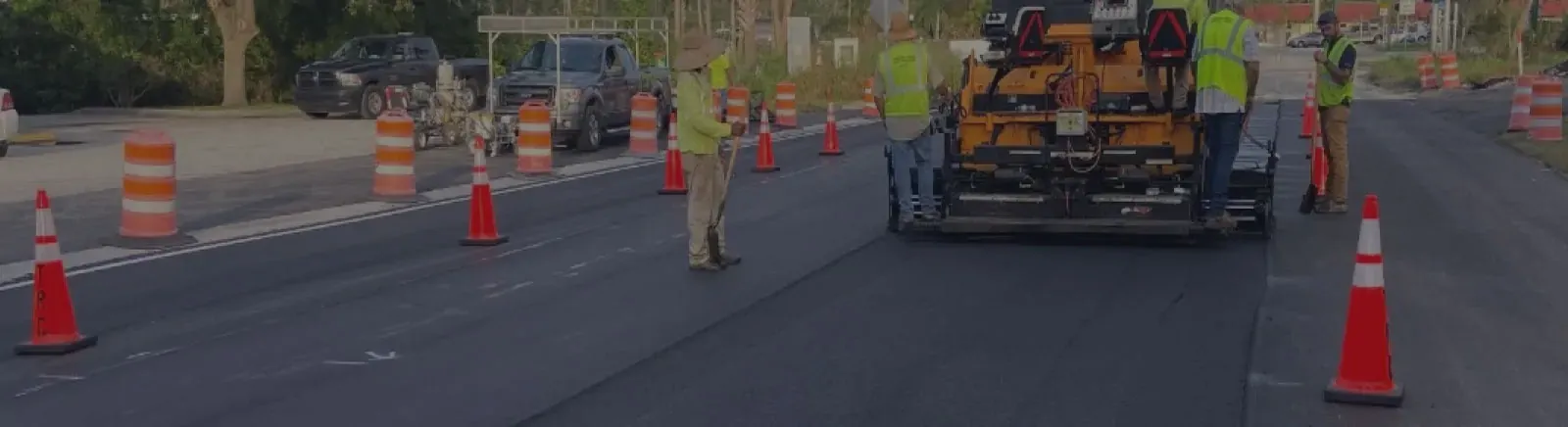
Stormwater management doesn’t happen in isolation. It has to be coordinated with land clearing, grading, underground utility installation, and the asphalt paving that ultimately defines surface drainage. Pavement slopes, curb lines, and inlet placement all have to agree with the drainage plan, and utility crossings have to be sequenced so they don’t conflict with storm lines. When one contractor handles the clearing, earthwork, utilities, and paving together, those handoffs are managed in-house rather than negotiated between separate trades on the fly—which keeps grades true and water flowing where the engineer intended.
Every Treasure Coast site is different, and the right stormwater approach depends on your soils, your parcel, and your permit conditions. If you’re planning a commercial project across Indian River, St. Lucie, Martin, or Brevard county, reach out to our team for a consultation and a quote—we’ll help you build a stormwater system that performs through Florida’s heaviest seasons and stays compliant for the long haul.