
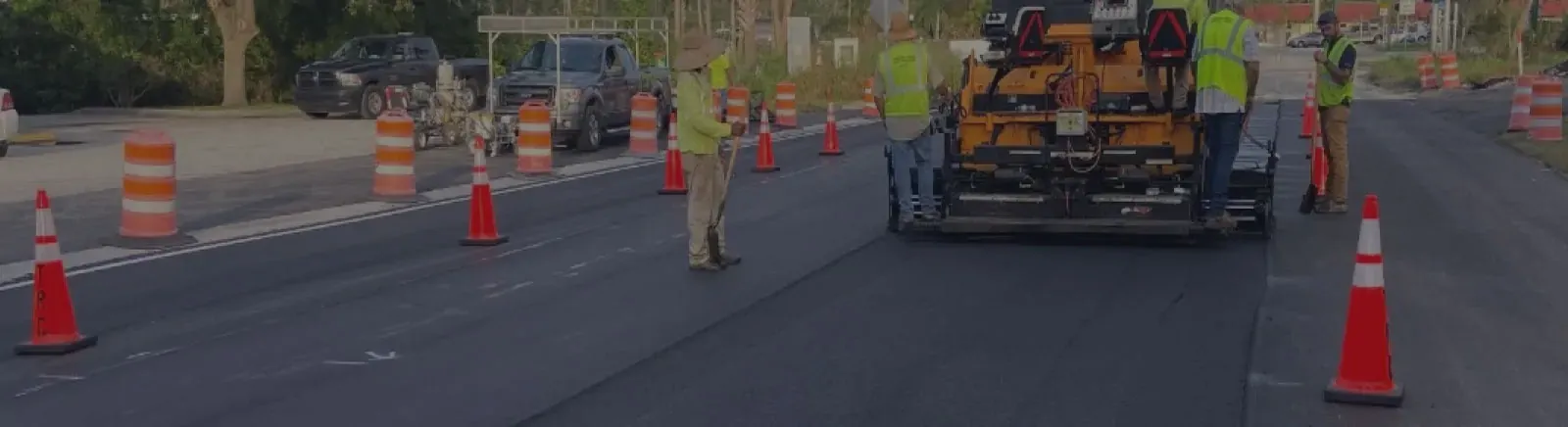
Before the first slab is poured or a single parking stall is striped, the most important work on a commercial site often happens below the surface. Underground utility installation — water, sewer, storm drainage, electrical conduit, and communications lines — forms the backbone of any functional development. On Florida’s Treasure Coast, getting it right the first time protects your schedule, your budget, and the long-term value of your property.
What Underground Utility Installation Actually Involves
Underground utility work covers far more than digging a trench and dropping in a pipe. It is a coordinated discipline that ties directly into your site’s grading, stormwater design, and pavement plan. When it is sequenced correctly, every system below grade supports what gets built above it — and nothing has to be torn out later to fix an oversight.
For commercial projects across Indian River, St. Lucie, Martin, and Brevard counties, a typical scope can include:
- Potable water mains and service connections
- Sanitary sewer lines, lift stations, and force mains
- Storm drainage piping, inlets, and structures
- Underground electrical, gas, and communications conduit
- Fire suppression service lines and backflow assemblies
Because these systems share the same corridor beneath your future pavement and landscaping, planning and installing them together — rather than piecemeal — prevents conflicts and costly rework.
Why Getting It Right Below Grade Pays Off Above It
The single biggest benefit of professional underground utility installation is that it eliminates the most expensive kind of mistake: the one you discover after the asphalt is down and the building is occupied. Repairing a failed line under a finished parking lot or roadway means demolition, traffic disruption, and a repaving bill that dwarfs the original install. Doing the work properly the first time keeps those problems off your books entirely.
Sound utility work also protects the surface you pay to build. Proper trench backfill and compaction prevent the settling and sinkholes that crack pavement and create trip hazards. When utilities, subgrade, and paving are handled by one contractor, the standards stay consistent from the bottom of the trench to the top of the wearing course — and accountability never gets passed between trades.
The Treasure Coast Factor: Water Table, Storms, and Soil
Florida presents conditions that punish shortcuts. A high water table across much of the Treasure Coast means trenches need proper shoring and dewatering, and pipe has to be set with bedding that won’t shift in saturated, sandy soils. Our summer storm season and the region’s flat terrain make stormwater conveyance especially critical — undersized or poorly graded drainage shows up fast the first time a heavy rain event rolls through.
Local permitting reflects these realities. Work routinely involves coordination with county utility authorities, water management districts, and FDOT or municipal right-of-way requirements, along with inspections for pressure testing, density, and connection. A contractor who works in these jurisdictions every week understands what inspectors expect and how to keep approvals moving rather than stalling your project.
One Site-Work Partner From the Ground Up
Underground utility installation rarely stands alone. It connects to land clearing, grading, stormwater management, and the paving that ties the whole site together. Bringing those phases under a single self-performing contractor keeps the schedule tight and the responsibility clear.
That integrated approach delivers practical advantages for property owners, developers, and project managers:
- One point of contact and one schedule across the full site-work scope
- Utilities, grading, and drainage designed to work together, not against each other
- Fewer trade hand-offs, which means fewer delays and finger-pointing
- Consistent quality control from excavation through final paving
When directional drilling is needed — to cross a roadway, waterway, or finished area without open-cut disruption — coordinating it within the same site plan keeps surface impacts and restoration costs to a minimum.
Build It Right the First Time
Quality underground utility installation is an investment that quietly protects everything you build on top of it for decades. If you are planning a commercial development on the Treasure Coast and want a site-work partner who handles the work below grade with the same care as the surface above it, reach out to Timothy Rose Contracting for a consultation and quote. We will walk your site, review your plans, and help you sequence the project so it is built right the first time.