
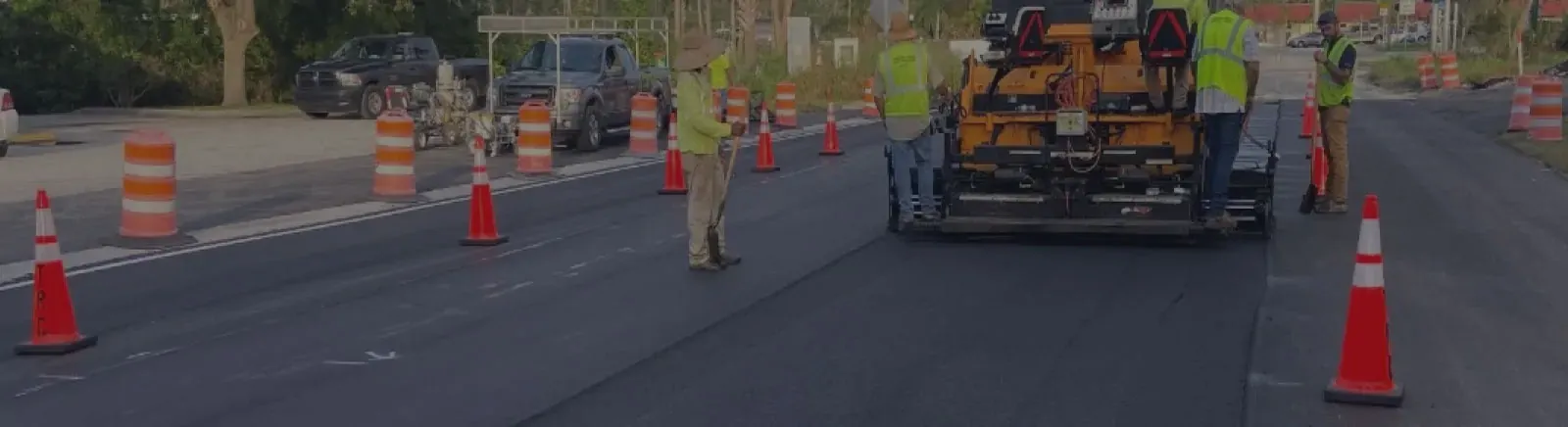
On the Treasure Coast, a building is only as stable as the ground it sits on. Before a single load of asphalt is placed or a foundation is poured, the site has to be properly graded to control water, support structures, and meet local code. Choosing the right grading contractor protects your project from costly drainage failures, settling, and permitting delays down the road. Here are five essential questions to ask before you sign a contract.
1. Are You Licensed, Insured, and Experienced With Treasure Coast Conditions?
Florida site work comes with challenges you won’t find everywhere. High water tables, sandy and marl soils, seasonal heavy rain, and proximity to the Indian River Lagoon all influence how a site needs to be graded. A contractor who regularly works across Indian River, St. Lucie, Martin, and Brevard counties understands these conditions and builds for them rather than against them.
Confirm that the contractor carries proper licensing and current liability and workers’ compensation insurance. Then ask about their hands-on experience with local commercial projects. A grading crew familiar with regional soils and drainage behavior will anticipate problems instead of discovering them mid-project.
2. How Will You Handle Drainage and Stormwater Management?
Grading is fundamentally about water. On a flat, low-lying landscape like ours, even a small error in slope can lead to standing water, eroded pavement, and flooded loading areas. The way a site is graded determines where every inch of rainfall goes during a Florida downpour.
Ask the contractor to walk you through how they will manage water on your specific site. A thorough answer should cover topics such as:
- Establishing positive slope away from buildings and pavement
- Tying grading into retention ponds, swales, or stormwater systems
- Coordinating grading with underground utility and drainage installation
- Meeting Water Management District and local stormwater requirements
- Controlling erosion and sediment during construction
A contractor who can also self-perform stormwater and underground utility work brings real continuity, because the grading, drainage, and pipe installation all stay under one coordinated plan.
3. Do You Manage Permitting and Survey Coordination?
Commercial site work on the Treasure Coast almost always involves permits, engineered site plans, and inspections. Local jurisdictions and the regional Water Management District have specific requirements for grading, drainage, and erosion control, and getting them wrong can stall a project for weeks.
Find out how involved the contractor will be in the permitting and approval process. Will they work directly from the civil engineer’s grading plan? Will they coordinate with surveyors to verify elevations and finished grades? Will they be on hand for inspections? A contractor who understands the local approval process keeps your timeline moving and helps you avoid avoidable rework.
4. What Equipment and Crews Will Be Assigned to My Project?
Grading accuracy depends heavily on the right equipment and an experienced operator running it. Modern grading often relies on GPS and laser-guided machine control to hit precise elevations across a large commercial pad, parking lot, or roadway. That level of precision is hard to achieve with undersized or outdated equipment.
Ask whether the contractor owns and maintains their own fleet or relies on subcontractors and rentals. A company that self-performs land clearing, grading, and site preparation typically has better control over scheduling and quality. It also means the same accountable team handles your project from clearing through final grade, rather than a rotating cast of vendors.
5. How Do You Communicate, Schedule, and Handle Changes?
Even a well-planned site can surprise you once excavation begins. Unexpected soil conditions, buried debris, or weather delays are part of construction in Florida. What separates a smooth project from a stressful one is how the contractor communicates when those situations arise.
Before hiring, get a clear picture of how they manage the work day to day. Consider asking about:
- Who your main point of contact will be throughout the project
- How progress and schedule updates are shared with you
- How change orders and unexpected conditions are documented and priced
- How they sequence grading with other phases like paving and utilities
- How weather delays are communicated and made up
A contractor who is upfront about process and pricing before the job starts is far more likely to stay transparent once the equipment is on site.
Build on a Solid Foundation
The grading phase sets the tone for everything that follows. Asking these five questions helps you separate contractors who simply move dirt from those who deliver a properly engineered, code-compliant site built to perform through Florida’s rainy seasons for years to come.
If you have a commercial project on the Treasure Coast and want a partner who handles land clearing, grading, site preparation, drainage, and paving as one coordinated effort, we’d be glad to help. Reach out to discuss your site and request a consultation or quote.